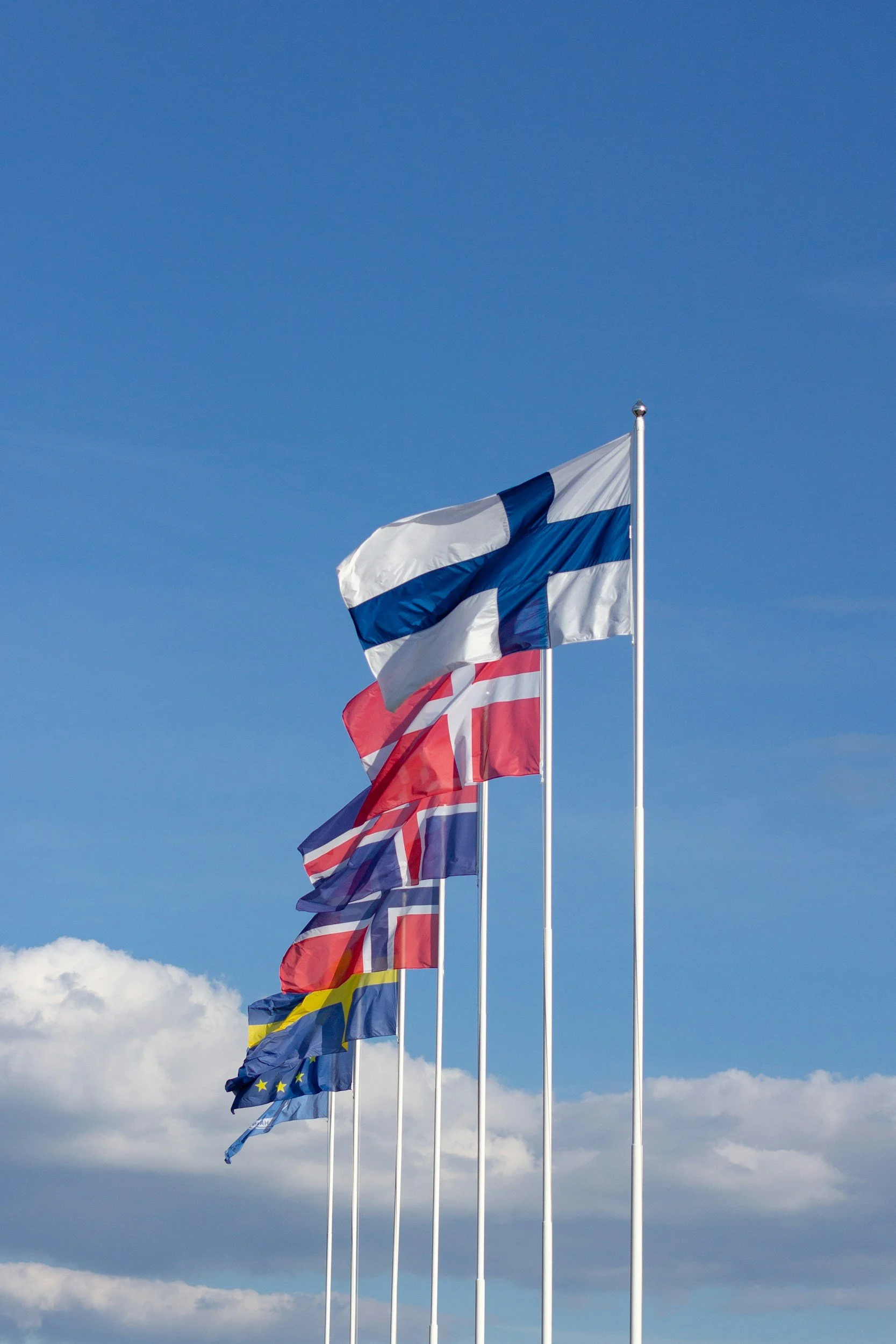
How did consensus become a part of the Swedish identity?
In Sweden, the concept of "Consensus Culture" (often referred to as Samförstånd) is more than just a boardroom tactic; it’s a deeply ingrained social contract. It’s the art of ensuring everyone has been heard before a move is made, aiming for a decision that everyone can live with, even if it’s not their first choice.

Photo by Karl Hedin on Unsplash
History
The roots of this culture are both historical and pragmatic:
Social democracy & the Swedish model: Following the 1938 Saltsjöbaden Agreement, Sweden moved toward a "cooperation" model between labour unions and employers. This shifted the national mindset from conflict to negotiation.
Jantelagen (The law of Jante): This cultural "rule" suggests that no one is better than the group. In a professional setting, this translates into a horizontal hierarchy in which a manager acts more as a facilitator than a dictator.
Historical survival: Some historians argue that the harsh Nordic climate necessitated close-knit community cooperation; if the village didn't agree on how to store grain for the winter, everyone suffered.
Sweden’s consensus culture runs deep in the DNA of its corporate giants. From Volvo and Spotify to, perhaps most visibly, IKEA, the instinct to listen broadly and build alignment has become a strategic advantage. It shifts power from individual leaders to shared decision-making, making the organisation more resilient – and more accurate – in its bets.
The pros and cons of "the Swedish way"
While it sounds harmonious, the consensus model is a double-edged sword.
Pros (The Strengths)
High Buy-in: Once a decision is made, implementation is lightning-fast because no one is trying to sabotage it.
Lower Risk: Multiple perspectives usually catch potential flaws that a single "hero leader" might miss.
Employee Empowerment: Team members feel valued and motivated, leading to high job satisfaction.
Cons (The Friction)
The "Long" Road: Reaching a decision takes a significant amount of time and many, many meetings (fika included).
Conflict Avoidance: Important but uncomfortable truths might be glossed over to maintain group harmony.
"The Middle Ground": Decisions can become diluted or "gray" to please everyone, potentially stifling radical innovation.
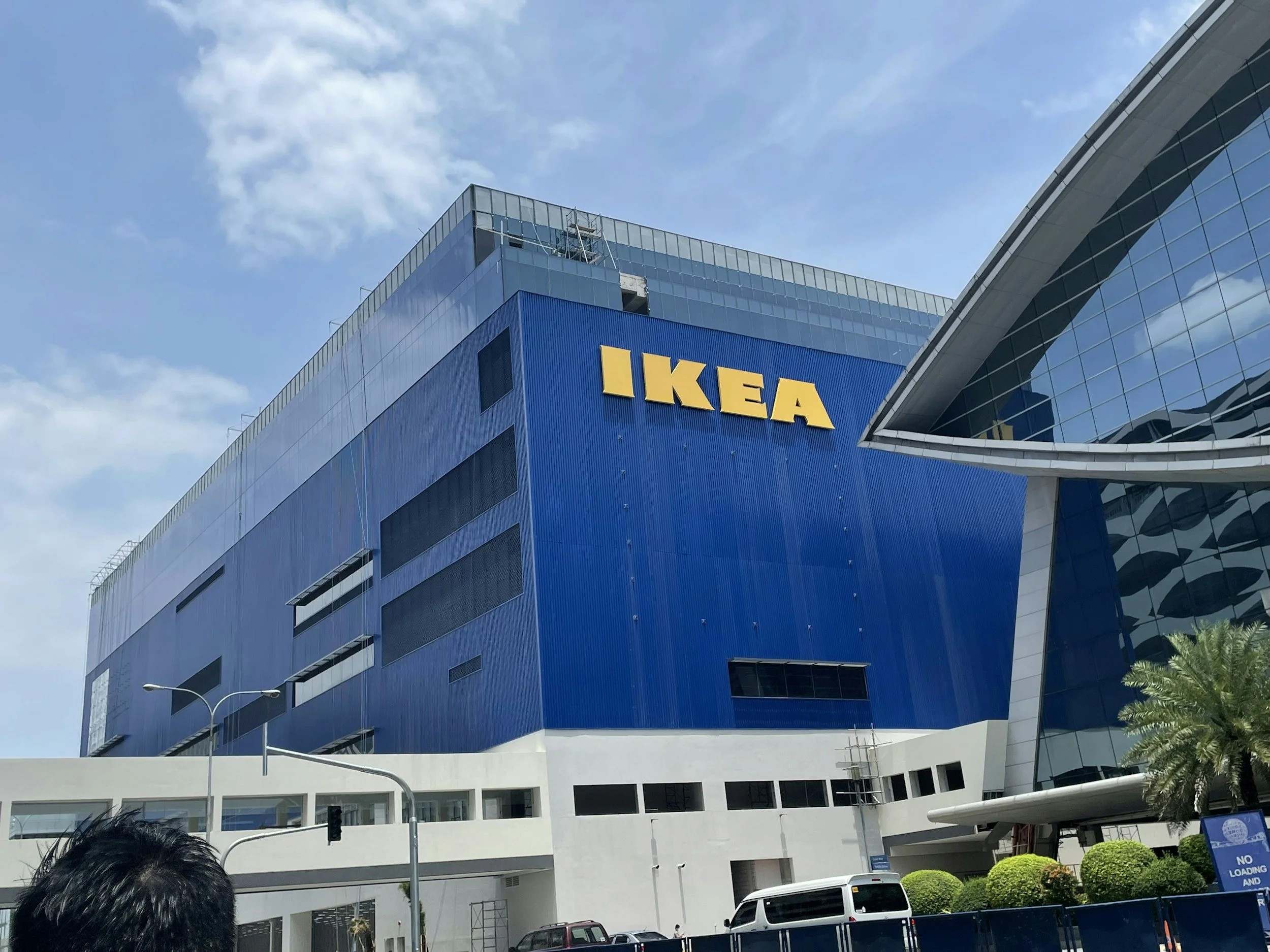
Manifestations in an IKEA store
You can see the Swedish consensus culture in action just by walking through a local IKEA branch:
The "co-worker" uniform. In most global retail chains, managers wear suits and floor staff wear vests. At IKEA, everyone wears the same uniform. This visual equality is a manifestation of Jantelagen (the idea that no one is superior). It signals that a manager’s decision is only as good as the input they get from the person stocking the shelves.
Cross-functional "floor walks": Before a new seasonal display or room set is finalised, you’ll often see a small group—an interior designer, a logistics manager, and a sales leader—walking the floor together. They are reaching a consensus on the "Democratic Design"(balancing form, function, quality, sustainability, and low price). No single department can "overrule" the others; the display appears only when all five criteria are met.
The mandatory "fika" Break. The staff canteen is the heart of the store. Unlike many corporate environments where breaks are solitary, the IKEA Fika is a collective ritual. This is where informal consensus is built. If a problem arises in the warehouse, it’s often solved over coffee and cinnamon buns before it ever reaches a formal meeting.
Open "pulse" meetings. Each morning, teams gather for a quick huddle. Unlike a military briefing, these are "Pulse" meetings that encourage feedback. If a co-worker suggests a better way to organise the "market hall" (the kitchenware/pillows section) to save customers time, the group discusses it and agrees on the change right then.
How the Swedish Culture Differs from other Nordic Countries
While foreigners often lump the Nordics together, the "Consensus Culture" is most extreme in Sweden. Here is how it subtly shifts across the borders:
Denmark: The Direct Approach Danes are often described as the "Europeans of the North." They are more confrontational and direct than Swedes. While they value flat hierarchies, they don't feel the same need for 100% agreement before moving forward. A Danish boss is more likely to say, "I've heard you, but we're doing this."
Norway: The Practical Balance. Norway shares the egalitarian spirit but tends to be more informal and individualistic. Because of their history with shipping and oil, there is a slightly higher tolerance for "calculated risk" compared to the Swedish preference for exhaustive planning.
Finland: The Hierarchical Exception Finland stands apart. Influenced by its military history and a more pragmatic "get it done" attitude, Finnish leadership is noticeably more top-down. There is greater respect for expertise and authority; once a leader decides, the team executes without the same level of preliminary debate as in Stockholm.