The making of ACF
The Actionable Consensus Framework (ACF) was developed by Per Grankvist through action research involving 10 Swedish cities participating in a national programme to help cities become climate-neutral by 2030.
Both research and practice point to the same barrier: not a lack of knowledge or ambition, but internal friction. Departments pulling in different directions. Conflicting mandates. Stretched relationships that stall decisions.
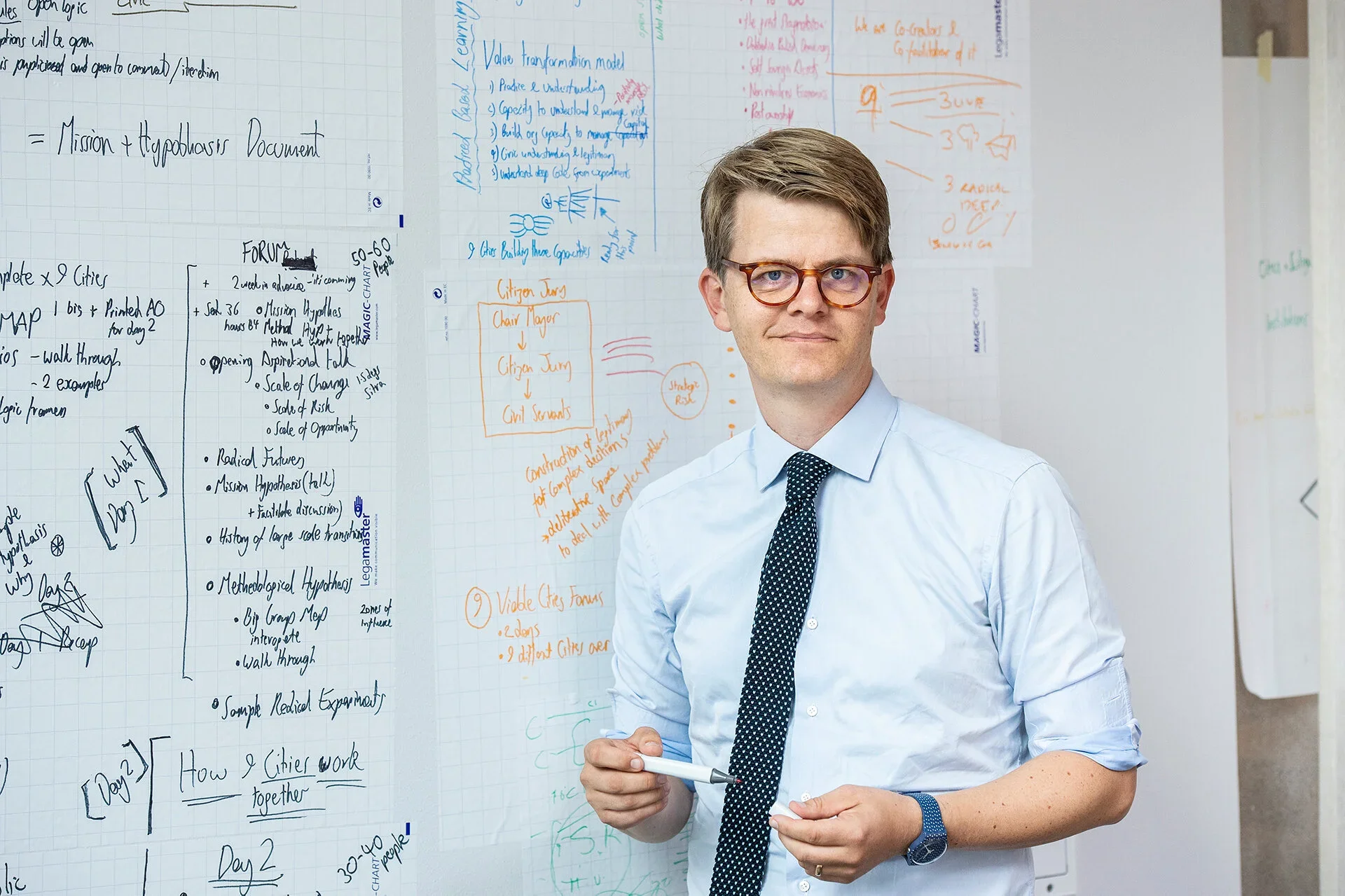
Credits: Anna Hållams.
Addressing the actual needs of cities
With a background in journalism, Per Grankvist is well known in Sweden for his ability to make complicated things understandable.
Starting from the hypothesis that storytelling could improve public perception of the transition to climate neutrality in cities, Grankvist joined a national innovation program in 2019 in the newly created role of “ Chief Storyteller”, a first in the urban governance field.
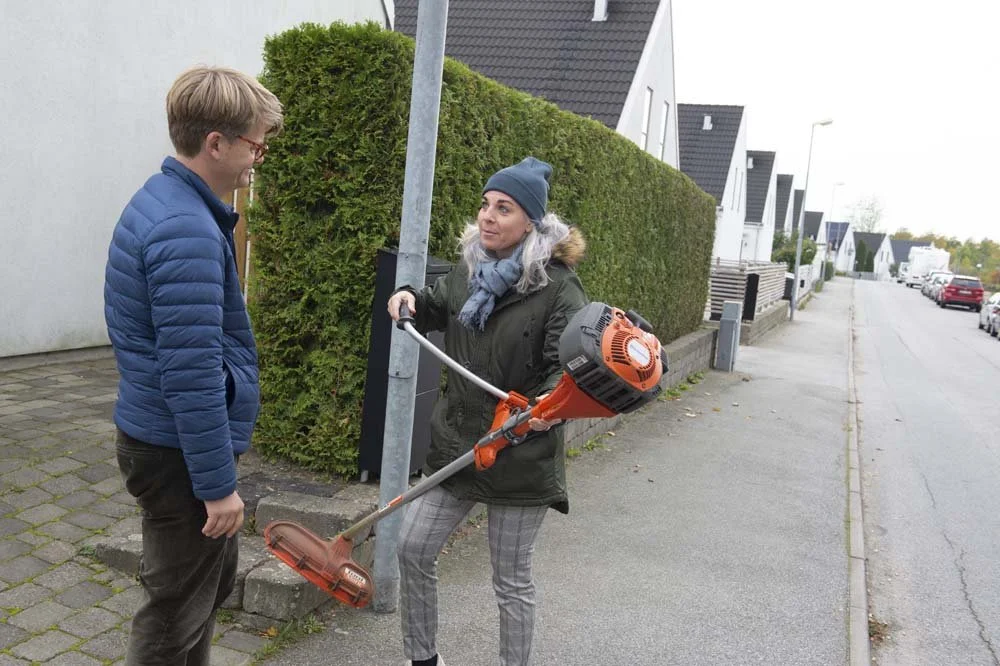
As a practitioner, he worked closely with cities—side by side with civil servants, transition teams, and elected officials—to understand what prevents ambitions from becoming action. He found that the public is not the problem; the real issue is a lack of understanding that the transition is part of core municipal work.
He first collaborated with the cities to pilot new ways of describing a climate‑neutral future to public officials, without it being perceived as making life more complicated for citizens or as an unachievable utopia. This work was inspired by William Gibson’s observation that “the future is already here—it’s just not evenly distributed.”
He eventually realised that the real problem was not only that we tend to “oversell the future” with grand ambitions, but that the most important gap was inside city hall: a lack of structured processes for turning ambitions into concrete action.


Defining the real gap
Despite how it is often portrayed, the transition to a zero‑emission society is neither a technical issue nor a scientific puzzle to be solved, and it is not primarily held back by knowledge gaps or incompetent local politicians. It is a social challenge, rooted in human psychology and in our need to feel that our identity is not threatened by the future.
Most cities have routines and processes for dealing with conflicts between employees, but almost none for reaching agreement, building consensus, and aligning around shared decisions. This is not just a Swedish problem; extensive research shows that this lack of structures for reaching agreement is repeatedly identified as a major obstacle. Decisions are made—but then nothing happens.
In Sweden, we have a long tradition of consensus‑building that often involves fika, coffee, and a cinnamon bun. But this tradition is neither structured nor repeatable, and it does not take into account what science tells us about how people actually reach agreement.
Part of the solution lies in empathy. Per Grankvist’s work focuses on shifting from simply “telling people what the research says” to truly meeting people where they are—with their real concerns, constraints, and responsibilities. He often points out that we must remember bureaucrats are people too, and that instead of pretending everyone is neutral, we should use our different perspectives to gain insight into what we share.
The framework is therefore not a process that replaces existing processes, but rather a lubricant that helps them run more smoothly. Because municipal realities rarely allow for bringing in consultants—and because the idea is that the ACF should be usable in everyday work—the ambition has been to apply IKEA principles: no need for external experts, and it should be possible to put it together yourself with the help of a clear, practical manual.
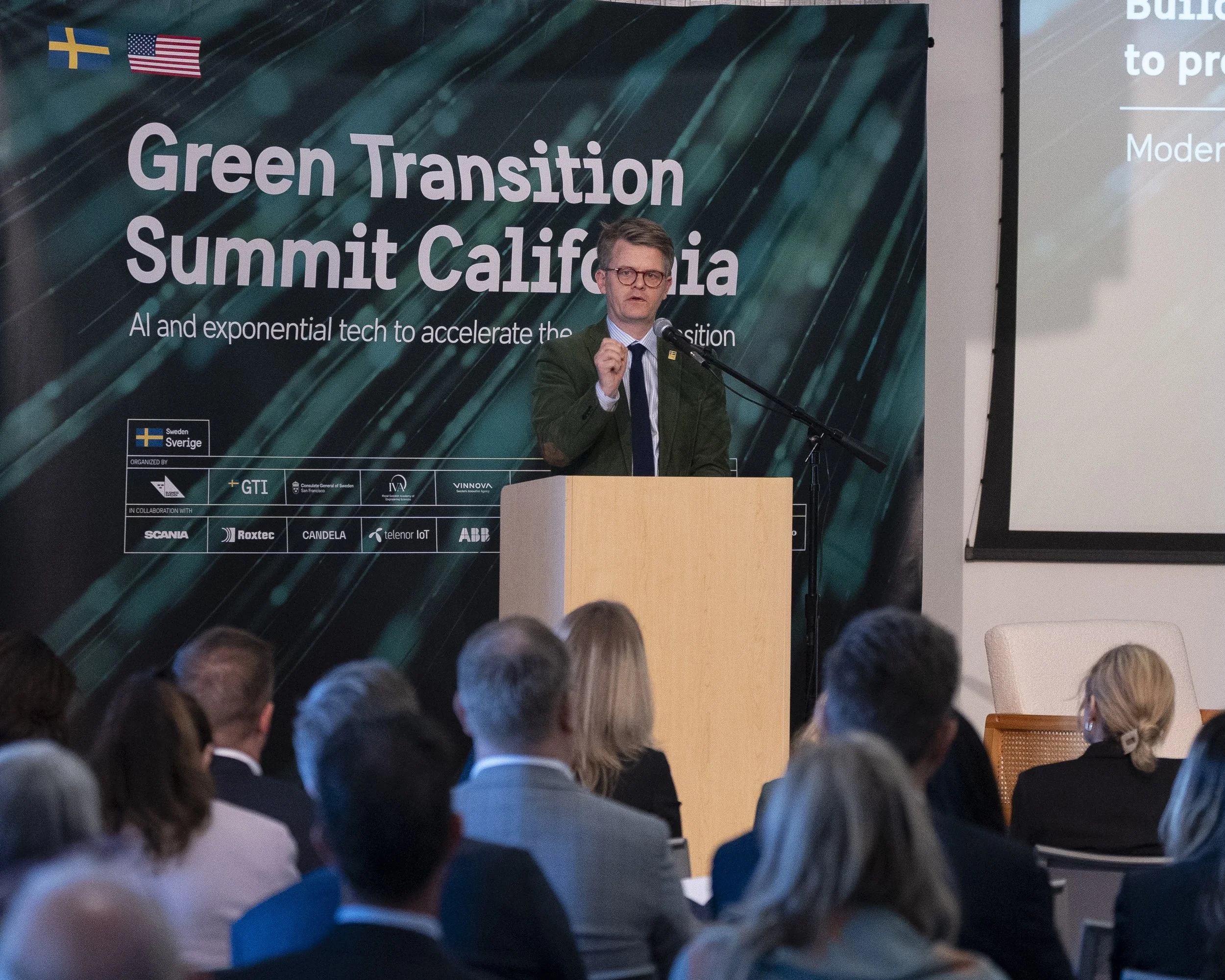
With little help from our friends
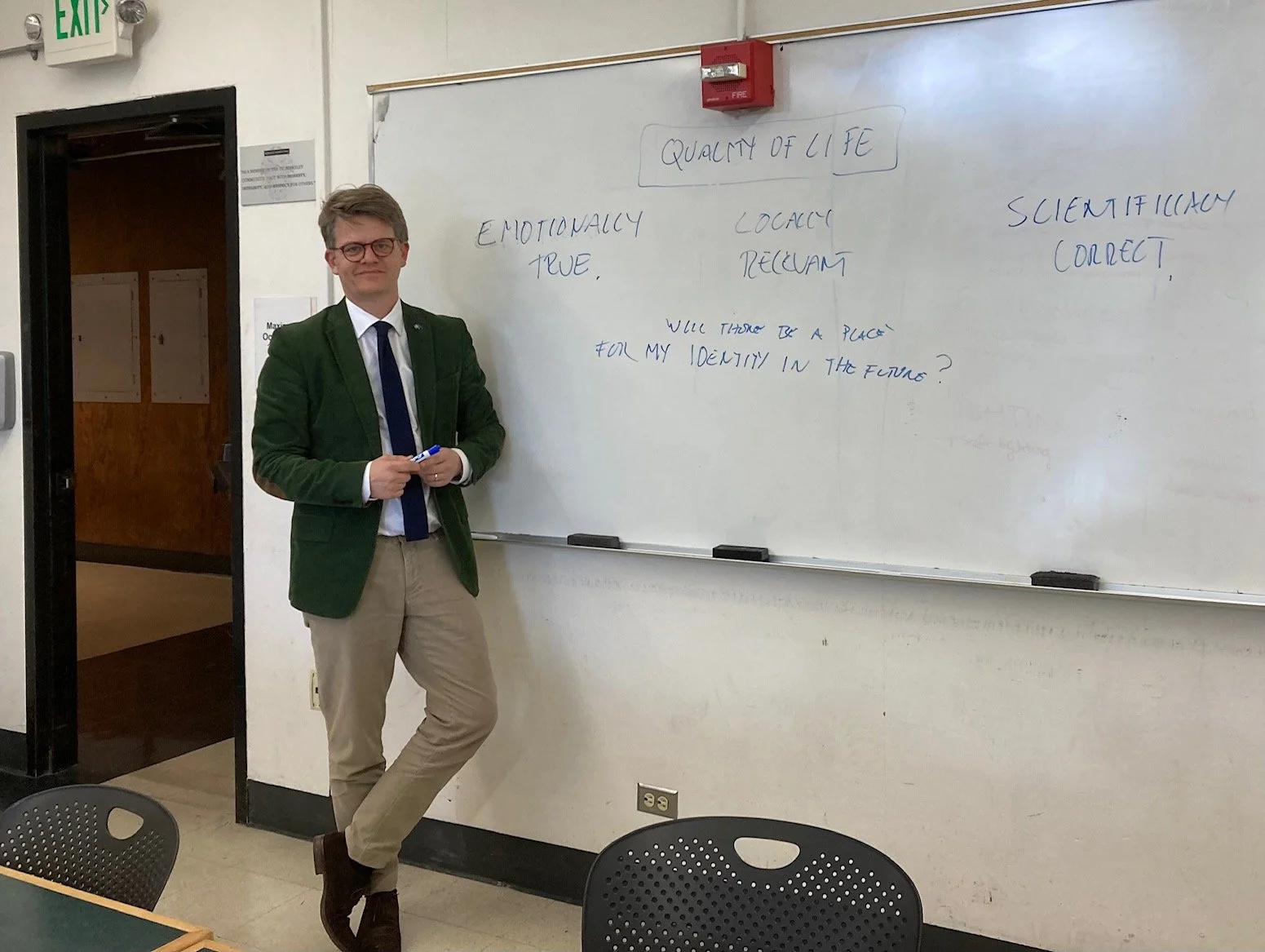
Along the way, he has used leading scholars in sustainability and urban governance as sounding boards. This has helped ensure that ACF is not a specifically Swedish solution, but a globally relevant, practical tool for cities anywhere.
The result is the Actionable Consensus Framework: not the only way to unlock progress, but a highly effective one. It works as a lubricant where municipal processes have ground to a halt. Designed out of deep respect for local politicians and public servants, ACF gives them a practical way to weigh competing interests and turn ambition into concrete, shared action.
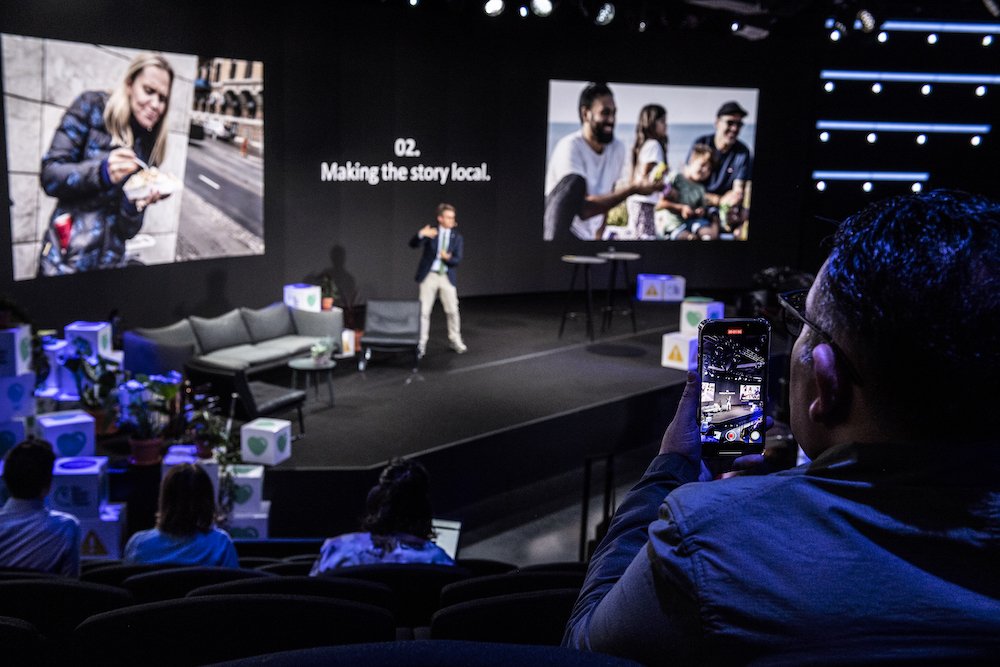
From the start, interest in the work has been unusually high—a clear sign that the need for a tool like this is both real and urgent. Grankvist has been interviewed by the BBC, Bloomberg Businessweek, The Times, Monocle and Süddeutsche Zeitung, and has spoken at a wide range of international conferences. He has been invited to share his findings everywhere from a hearing in the UK Parliament and UN Conferences to receiving invitations from Pixar Animation Studios in California and the Copenhagen Film Festival.
